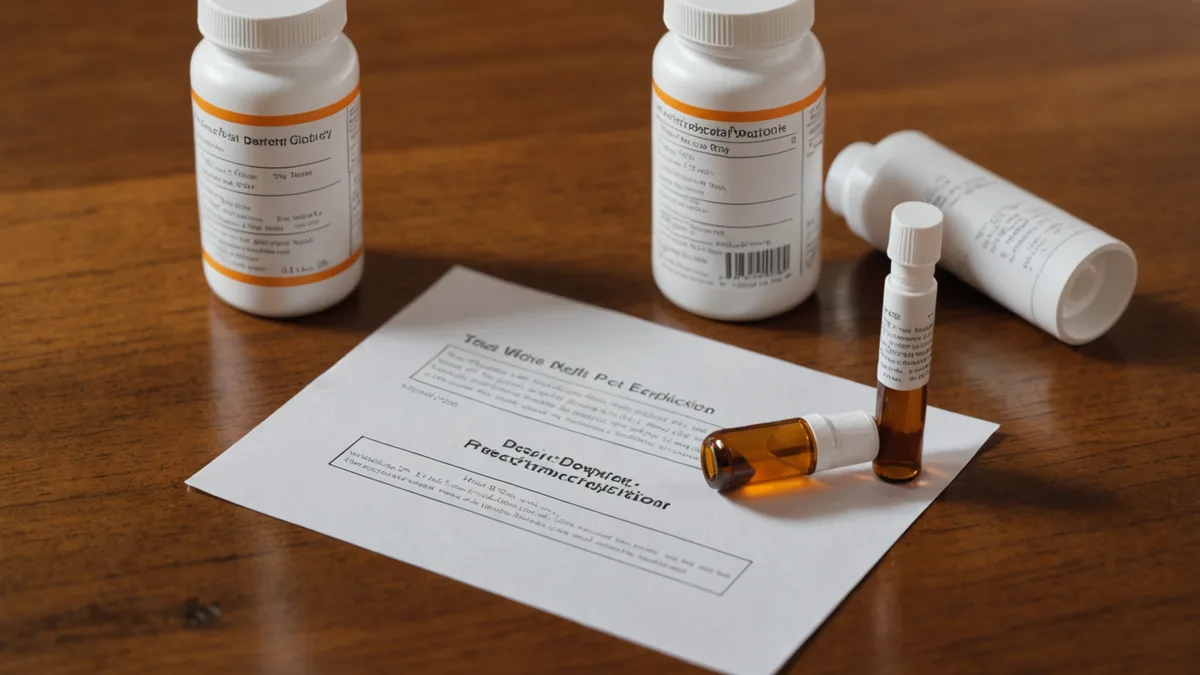
When a doctor prescribes a medication, a lot of important information gets communicated in a short amount of time. Some of it ends up on the prescription label. Much of it does not. The verbal instructions, the explanation of what the medication is for, the specific timing details, the things to avoid, and the warning signs to watch for, live only in the conversation that happened in the exam room.
Prescription labels are designed for pharmacists, not for patients. They are dense with abbreviations, assume familiarity with clinical conventions, and rarely include the contextual explanation that makes the instructions meaningful. Understanding your medication instructions fully requires bridging the label with everything that was said verbally at the appointment.
What the label tells you and what it leaves out
A standard prescription label contains: the medication name (sometimes the generic, sometimes the brand name, sometimes both), the prescribed dose, the directions, the quantity dispensed, the refill status, and the prescribing physician. It may also include the diagnosis code for insurance purposes, and some pharmacies print a brief indication note, but this is not universal.
What it typically does not contain: why this medication was chosen rather than an alternative, how long you are expected to take it, what response you should expect and in what timeframe, what happens if you miss a dose, what foods or other medications to avoid, and when to call the office if something does not feel right. These are the details that most commonly appear in the verbal instructions at the appointment.
The pharmacist is an important second resource. When you pick up a new prescription, the pharmacist can review the key instructions with you, answer questions about interactions, and explain anything on the label that is unclear. This conversation is standard practice and does not slow down the pharmacy line significantly. If you have questions when picking up a prescription, ask for a consultation rather than expecting to get the information while the pharmacist is processing three other transactions at the counter.
Common instruction terms and what they actually mean
"Take as needed" means take this medication when the condition it treats is present, not on a fixed schedule. It is common for pain relievers, antihistamines, and similar symptom-relief medications. Taking a "take as needed" medication on a fixed daily schedule when symptoms are absent is generally not the intent, unless your provider said otherwise. When in doubt, ask.
"Take with food" usually means the medication causes stomach upset in some people when taken on an empty stomach, and food reduces that risk. It does not usually mean the medication only works when taken with food, unless your provider or pharmacist told you otherwise.
"Avoid alcohol" can mean different things depending on the medication. For some drugs, alcohol seriously amplifies the drug's effect in a potentially dangerous way. For others, it primarily worsens side effects like drowsiness or dizziness. For others still, it is a recommendation for general health reasons rather than a specific interaction concern. The verbal instructions at your appointment, or a direct conversation with your pharmacist, will clarify which situation applies to your prescription.
"Complete the full course" applies primarily to antibiotics and some other infection-treating medications. It means take all of the medication as prescribed even if you feel better before the prescription is finished. Stopping early can allow the infection to return and can contribute to resistance. This instruction matters enough that it is worth asking about specifically at the appointment if an antibiotic is prescribed.
What to listen for when a new medication is prescribed
During the appointment conversation, the most important things to capture for any new medication are: the dose and how often to take it, whether it should be taken with food or on an empty stomach, what to expect in terms of effect and timeline (how long before it starts working, what you should notice), what side effects are worth monitoring, and when to call the office versus when to stop taking it and seek immediate care.
For a medication change rather than a new prescription, the key questions are: what was changed and why, what should you watch for to know whether the change is working, and are there any differences in how the new dose or formulation should be taken compared to what you were doing before.
Writing these down during or immediately after the appointment produces a more reliable record than trying to reconstruct them from the label and your memory later. The label alone is not a complete set of instructions for most medications.
Managing multiple medications
Medication management becomes significantly more complex when you are taking multiple prescriptions, especially ones prescribed by different providers. Each prescriber may have visibility into only part of your medication list, and interactions between drugs prescribed by different specialists for different conditions are genuinely difficult for any single provider to track without a complete current list.
Keep a current medication list that includes: the medication name, the dose, the prescribing physician, and the condition it is treating. Bring this list to every appointment. Bring it to the pharmacy when you pick up new prescriptions so the pharmacist can run an interaction check against your full profile. If you are admitted to any facility, even for outpatient procedures, provide this list.
Update the list every time something changes. A list that was current eight months ago is not the same as a current list. Many medication errors in people managing multiple conditions happen at the transitions between providers, where the receiving provider is working from an incomplete or outdated medication history.
For caregivers managing a family member's medications
If you are managing medications for a family member, the same practices apply with one addition: note which prescriber ordered each medication and for what condition. This context matters when a new provider is reviewing the list and needs to understand why each drug is on it. A medication ordered by a specialist for a specific purpose should not be adjusted or discontinued by a primary care doctor without knowing what problem it was solving.
If you are taking a family member to multiple specialist appointments in a short period, keep a running note of any medication changes from each visit and reconcile the full list before the next appointment. Changes from one specialist may affect a medication from another, and the next provider needs to know what changed since they last saw the patient.
When something does not match up
If what your prescription label says is different from what you remember being told at the appointment, or if a medication was filled that you do not recognize, call the prescribing office before starting the medication. Prescription errors occur, and a quick phone call to confirm is significantly less disruptive than an adverse event.
A visit summary that captures the medications discussed at the appointment gives you a reference point for exactly this situation. When you have a written record of what was prescribed and at what dose, confirming that the label matches what was discussed is a simple comparison rather than a test of memory.
Kin captures the medication details from your appointment so you have them in writing. Try Kin free before your next prescription appointment.